01 / 03
From Rome to São Paulo: A Woman Architect’s Revolution in the Southern Hemisphere
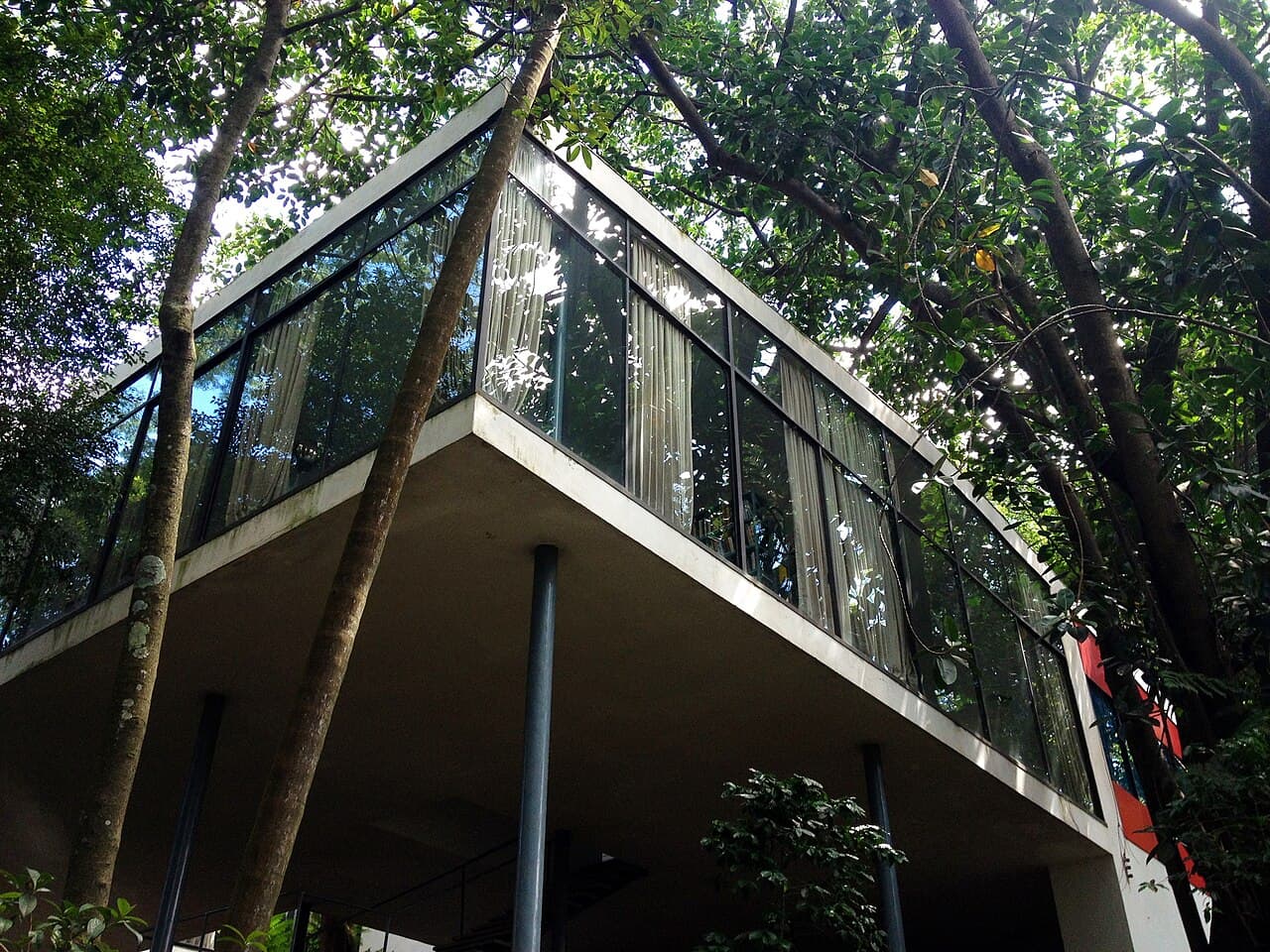
Lina Bo Bardi (1914–1992) is one of the most legendary figures in architectural history. She graduated from the University of Rome’s architecture program in 1939, during the dark years of Fascist Italy. After the war, together with her husband, art critic Pietro Maria Bardi, she emigrated to Brazil in 1946 — a migration she described as “from the ruins of the Old World to the infinite possibilities of the New.” In Brazil she found what Europe could not offer: a land where modern architecture and social relations could be rebuilt from the ground up.
The São Paulo Museum of Art (MASP, 1968) is her most iconic work. The project’s most radical feature was not the architectural design per se but her curatorial philosophy and display method: she invented the glass easel display system, where paintings are hung on transparent glass panels suspended in space, breaking the traditional wall-hung model. Visitors walk among the paintings and can see the back, sides, and front of each work from any angle — a thoroughly democratized viewing experience that refuses to impose any single vantage point. The building itself is equally radical: a pair of red, enormous concrete beams spanning 74 meters suspends the building volume in the air, freeing the ground-level public plaza beneath.
SESC Pompéia (1977–1986) further deepened her social architecture ideals. This community cultural center, adapted from a former oil drum factory, retains the raw, unfinished concrete structure rather than painting it over — cracks, stains, and surfaces sculpted by time are preserved as part of the building’s story. She introduced a winding concrete “river” into the space, connecting swimming pools, theaters, restaurants, and workshops, creating not a consumption space but a “third place” for civic gathering. This building remains one of São Paulo’s most vibrant civic centers today, where thousands of people from different social strata converge every week.